
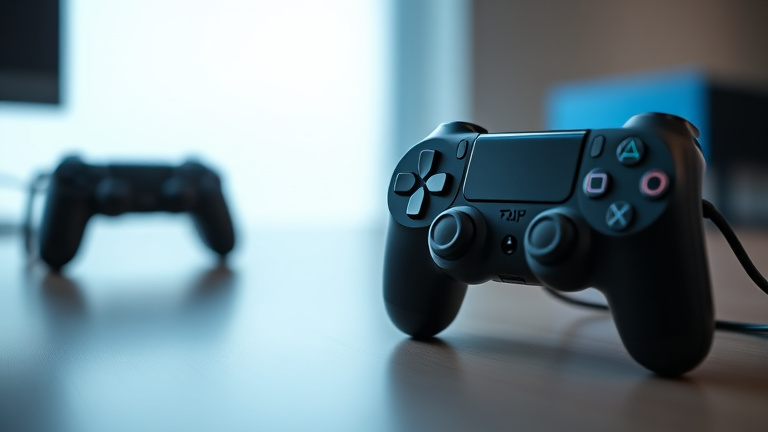
Is lag ruining your gaming experience? A weak PlayStation Network connection can mean the gap between victory and defeat in competitive gaming. Whether you’re competing against online players or broadcasting gameplay, improving your network performance is essential for peak performance. This guide reveals practical strategies to improve your PSN connection, reduce latency, and remove lag issues. From basic router changes to advanced network configurations, find out how to transform your gaming experience and outperform your rivals.
Test Your Present Internet Speed
Before putting into practice any enhancement approaches, you need to develop a foundational grasp of your current network performance. PlayStation consoles feature a native performance testing tool that assesses your connection speed and stability. Access this capability by selecting Settings, then Network, and choosing Test Internet Connection. This check will show your data transfer rate, outbound velocity, and NAT type, providing vital data to measure your current performance level and pinpoint likely limitations impacting your entertainment performance.
Understanding your connection speed measurements is essential for addressing connection difficulties effectively. Download rates exceeding 35 Mbps are typically adequate for seamless gameplay, while upload rates of a minimum of 5 Mbps prevent lag during competitive play. Your network address translation setting also matters significantly; Types 1 and 2 indicates ideal connection quality, while Type 3 suggests potential connection problems. Document these baseline measurements prior to optimization changes, letting you reliably assess enhancements and verify that your optimization efforts are delivering tangible results for improved gaming experience.
Optimize Your Wi-Fi Router Configuration
Optimal Router Placement
Your router’s physical location greatly affects your PlayStation Network signal quality. Position your router in a central and elevated location within your home to boost signal power and reduce disruption. Keep it separated from walls, metal objects, and other electronic equipment like cordless phones and microwaves that can cause signal disruption. Ideally, place your router at shoulder height or higher, ensuring a clear direct path between the router and your gaming system for optimal performance.
Configure Router Settings for Gaming
Access your router’s settings dashboard to configure settings specifically for gaming performance. Enable Quality of Service features to give gaming priority and decrease bandwidth competition from other devices. Update your router’s firmware frequently to ensure you have the latest optimization updates and security updates. Consider selecting a less congested WiFi frequency, especially you live in an area with many nearby networks that might lead to interference.
Advantages of Wired Connections
While WiFi offers convenience, a wired Ethernet connection directly to your PlayStation delivers superior stability and lower latency. If possible, run an Ethernet cable between your router and your gaming console for the strongest connection. This direct connection removes wireless interference and packet loss, delivering the most stable and fastest gaming experience available.
Adjust Your PlayStation Network Settings
Your PlayStation console’s network configuration are essential in establishing network performance and gaming performance. By adjusting these settings, you can achieve notable gains in performance and reliability. Access the Settings menu on your console, select Network, and examine your current connection status. This guide helps you with important changes that will enhance your PSN experience and reduce lag in-game.
Begin by checking your existing network speed through the native speed test tool located in your system’s network options. This testing utility measures your download performance, upload rate, and NAT type—essential measurements for online gaming. Evaluate your metrics against PlayStation’s recommended speeds: a baseline of 5 Mbps for online play and 35 megabits per second for 4K streaming. Once you comprehend your performance baseline, you can implement targeted improvements to attain ideal gaming performance.
Advanced Performance Tips
Beyond basic performance tuning, think about adding Quality of Service (QoS) configurations on your router to give priority to gaming traffic. This sophisticated feature distributes bandwidth specifically for your PlayStation, guaranteeing additional devices downloading files or streaming content won’t disrupt your gaming activities. Additionally, enabling UPnP (Universal Plug and Play) on your router can automatically configure port forwarding, further reducing connection lag and improving overall connection reliability for competitive online play.
For dedicated gamers pursuing peak performance, investigate your ISP’s performance-oriented packages or think about upgrading to a Wi-Fi 6 router that enables improved speed and minimal delay. Consistently check your connection quality using built-in PSN diagnostics and independent performance checkers to identify bottlenecks. To wrap up, keep your PlayStation firmware updated and regularly clear your network setup to remove stored information, helping your device preserve ideal network performance for the smoothest possible gaming experience.
