
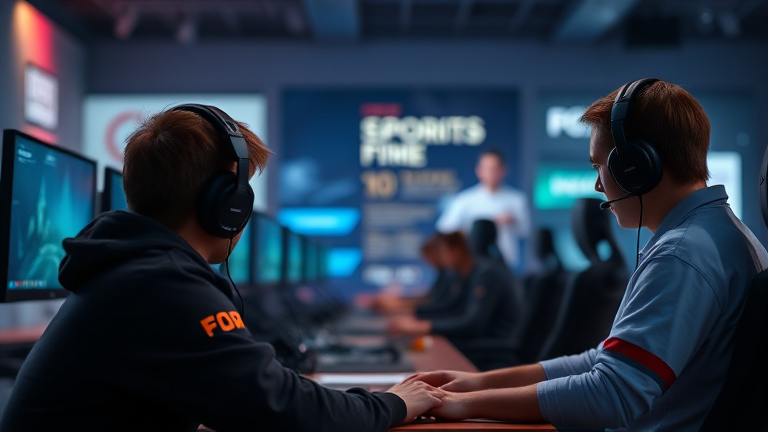
The esports industry has grown into a multi-billion-dollar phenomenon, attracting the attention of major technology corporations worldwide. Elite competitive players are now obtaining substantial sponsorship deals with giants like Intel, NVIDIA, and Red Bull, converting gaming competition from a niche hobby into a viable professional career. This article examines how elite players are landing major sponsorships, the economic impact for the industry, and what these deals show regarding gaming’s widespread adoption and continued development opportunities.
The Growth of Esports Sponsorships
The esports industry has experienced a significant transformation over the past decade, growing out of underground gaming communities into a mainstream entertainment phenomenon. As viewership numbers skyrocket and prize pools expand exponentially, major technology companies have identified the substantial profit potential within competitive gaming. This shift has reshaped the landscape for professional esports athletes, who now enjoy unprecedented opportunities to capitalize on their expertise and establish long-term professions through collaborations with international companies.
The influx of corporate investment into esports sponsorships shows wider industry patterns and consumer behavior shifts. Tech firms, in particular, view esports athletes as ideal brand ambassadors able to reach younger digital-first consumers with genuine connection. These sponsorship deals extend beyond simple logo placements, including extensive collaborations that feature equipment endorsements, streaming collaborations, and exclusive content creation. The monetary benefits have become substantial, with top-tier athletes securing multi-million-dollar contracts that rival traditional sports endorsements.
Leading Technology Companies Enter the Gaming Competition Sector
The growing presence of leading tech firms into esports represents a critical juncture for esports’ credibility and economic sustainability. Key players recognize esports’ rapid expansion and massive global audience, driving strategic investments in sponsorships and partnerships. These company initiatives extend beyond basic marketing alignment; they signal real conviction in esports’ sustained growth and financial returns. Major firms such as Intel, NVIDIA, and Corsair have established dedicated esports divisions, demonstrating substantive investment to backing competitors and competitive events. This corporate support has dramatically reshaped esports from community-driven phenomenon into professionally managed competitive environment with organizational systems.
Gaming Devices and Equipment Partnerships
Hardware makers have emerged as primary sponsors of esports athletes, delivering cutting-edge gaming equipment and substantial financial support. NVIDIA and Intel battle aggressively for sponsorship deals with professional teams and individual players, offering advanced graphics cards and CPUs vital for competitive gaming. Peripheral manufacturers like Corsair, SteelSeries, and Razer back athletes with specialized keyboards, mice, and headsets. These partnerships benefit athletes through complimentary gear and endorsement fees while giving companies valuable marketing exposure to millions of esports fans worldwide.
Equipment sponsorships frequently extend beyond basic product provision to include collaborative design initiatives. Athletes work with manufacturers to create specialized gear fine-tuned for particular competitions and competitive requirements. These partnerships generate genuine endorsements, as professional players truly depend on premium hardware for peak performance. The exposure achieved through esports sponsorships drives consumer interest and sales, making equipment partnerships exceptionally valuable for technology companies seeking to reach younger, tech-savvy demographics.
Software and Streaming Service Opportunities
Video streaming services and technology companies have made significant investments in esports sponsorships and infrastructure development. Companies like Discord, Twitch, and YouTube Gaming understand esports’ central role in their platforms’ growth and user engagement. These platforms support large-scale competitions, content creators, and professional teams while providing complimentary or reduced-cost services to gaming communities. Software investments enhance the competitive gaming experience through better streaming performance, messaging platforms, and content distribution capabilities that support entire esports ecosystems.
Technology companies also fund esports through competitive event infrastructure and streaming technology partnerships. Companies build specialized software for live streaming, competitive metrics analysis, and audience engagement during esports competitions. These investments create smooth streaming experiences that attract both casual and serious fans alike. By managing key technological infrastructure, software companies forge sustained partnerships with esports organizations while acquiring valuable data insights gaming trends and viewer preferences that inform future product development strategies.
Impact on Pro Esports Competitors
The surge in highly profitable sponsorship deals has significantly altered the financial landscape for professional esports athletes. Leading players can now generate significant earnings through sponsorship agreements, complementing tournament winnings and income from streaming. This diversified income stream offers improved financial security, allowing players to dedicate themselves to their craft without taking outside jobs. The financial stability enables athletes to invest in training infrastructure, training personnel, and psychological support, ultimately improving performance levels across the entire esports ecosystem.
Beyond monetary advantages, major sponsorships boost the professional reputation and credibility of esports athletes on the global stage. Association with leading tech companies strengthens player reputation and earning potential, unlocking additional prospects in content creation, broadcast opportunities, and endorsement roles. These partnerships affirm esports as a legitimate competitive field, drawing younger competitors to esports careers and encouraging aspiring players globally. Consequently, sponsorship agreements have become instrumental in establishing long-term career paths, cementing esports athletes as credible professionals on par with mainstream sports professionals.
